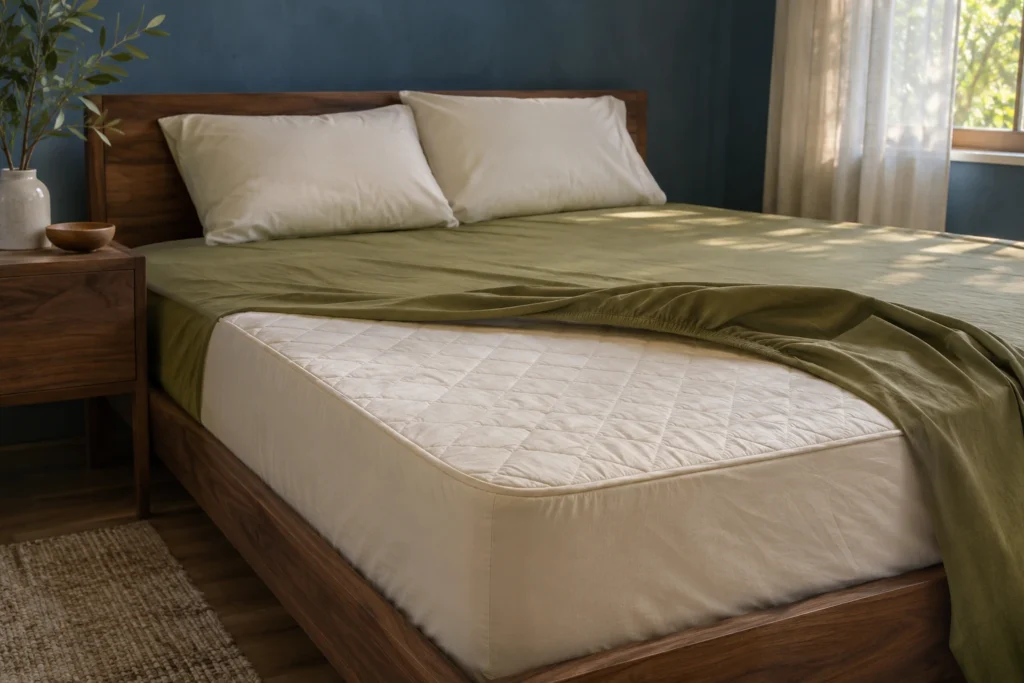
Is a Wool Mattress Protector Worth It? Protection, Comfort & Care
A wool mattress protector can add a thin comfort layer, but wool alone is not a waterproof barrier. Compare construction, spill coverage, fit, care and return terms before buying.
A wool mattress protector can add a thin comfort layer, but wool alone is not a waterproof barrier. Compare construction, spill coverage, fit, care and return terms before buying.
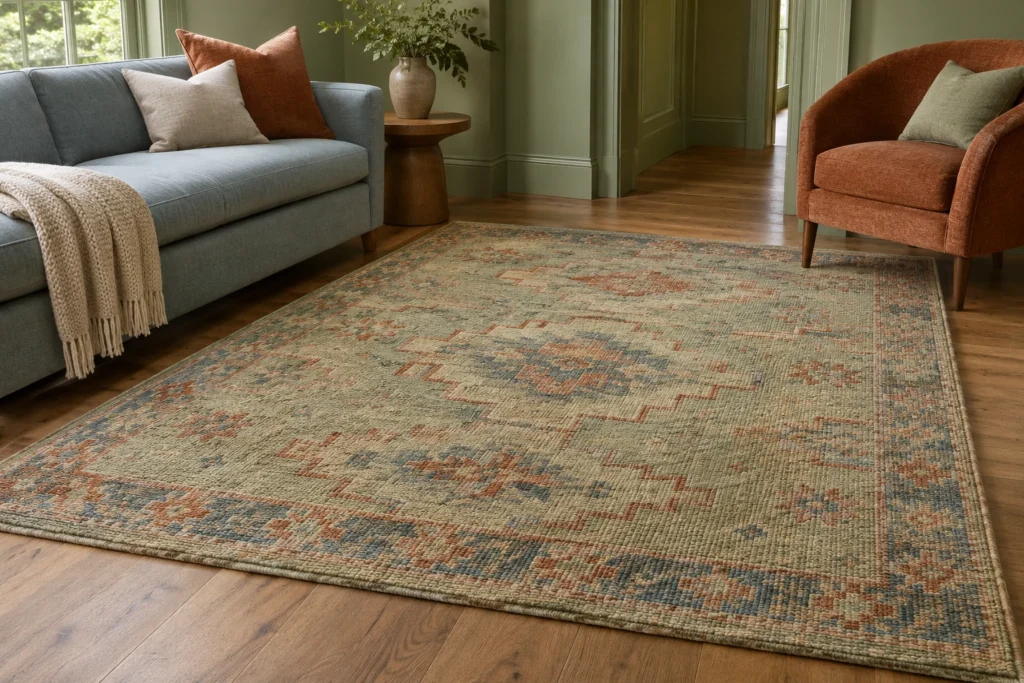
Identify possible sources of wool-rug odors, from a mild new-wool scent to damp backing or old spills, and choose safe next steps for the rug you own.
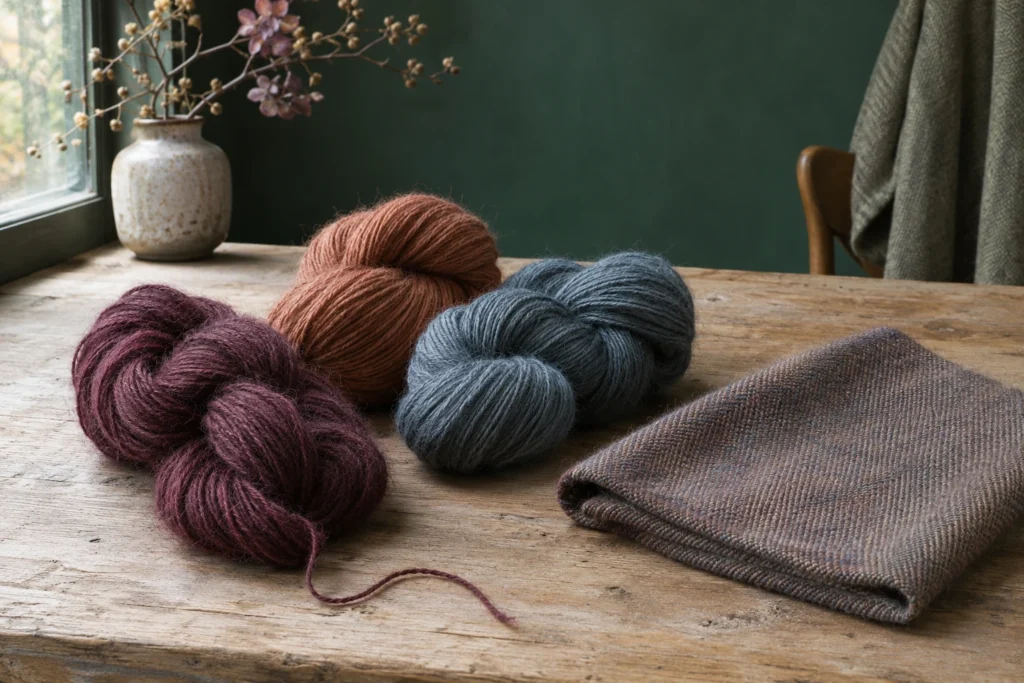
Virgin wool describes fiber history, not a guaranteed softness or quality grade. Understand US label terminology and compare recycled wool, lambswool and Merino before buying.
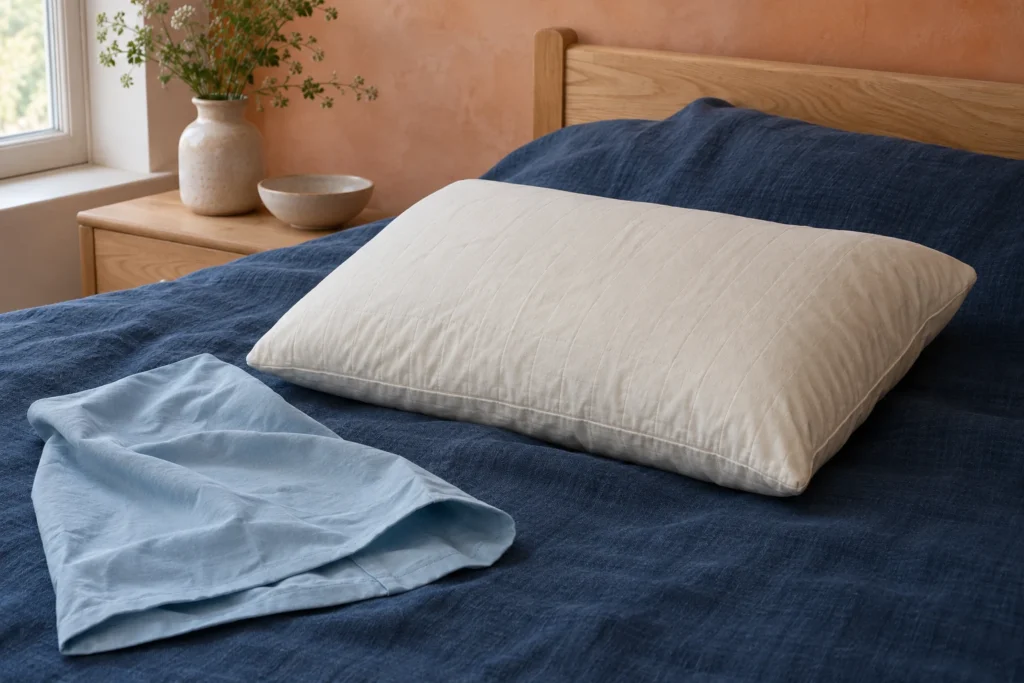
A washable cover does not mean a washable wool pillow. Compare exact manufacturer instructions for covers, filling, spot cleaning, machine washing and thorough drying.
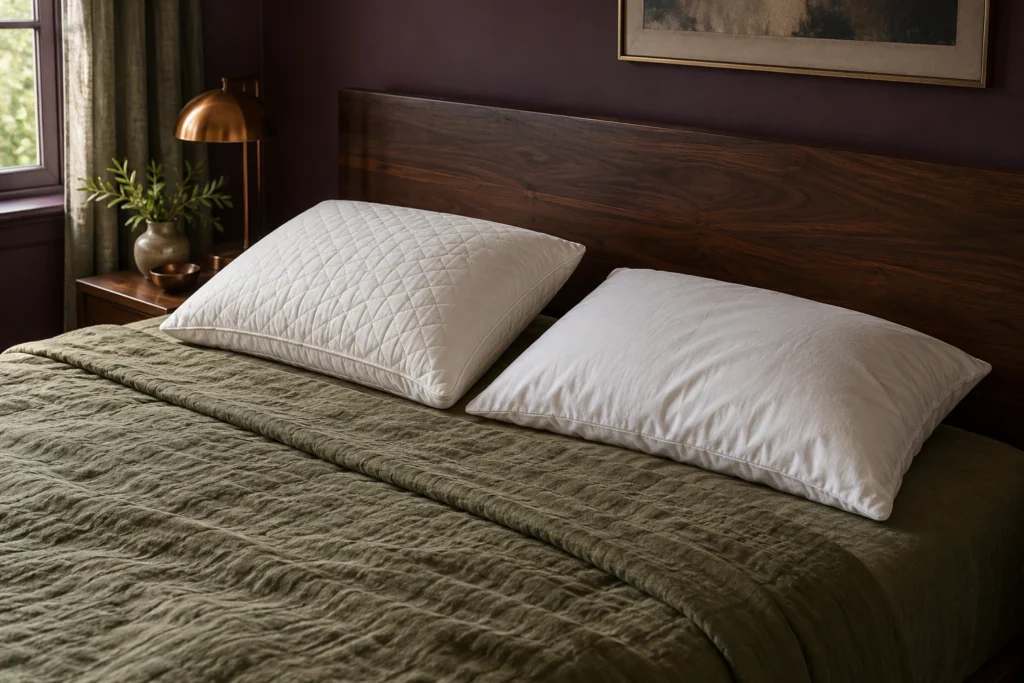
Compare wool and down pillow constructions, compressed height, adjustable filling, cleaning requirements and return policies to choose a pillow that suits your bed and routine.
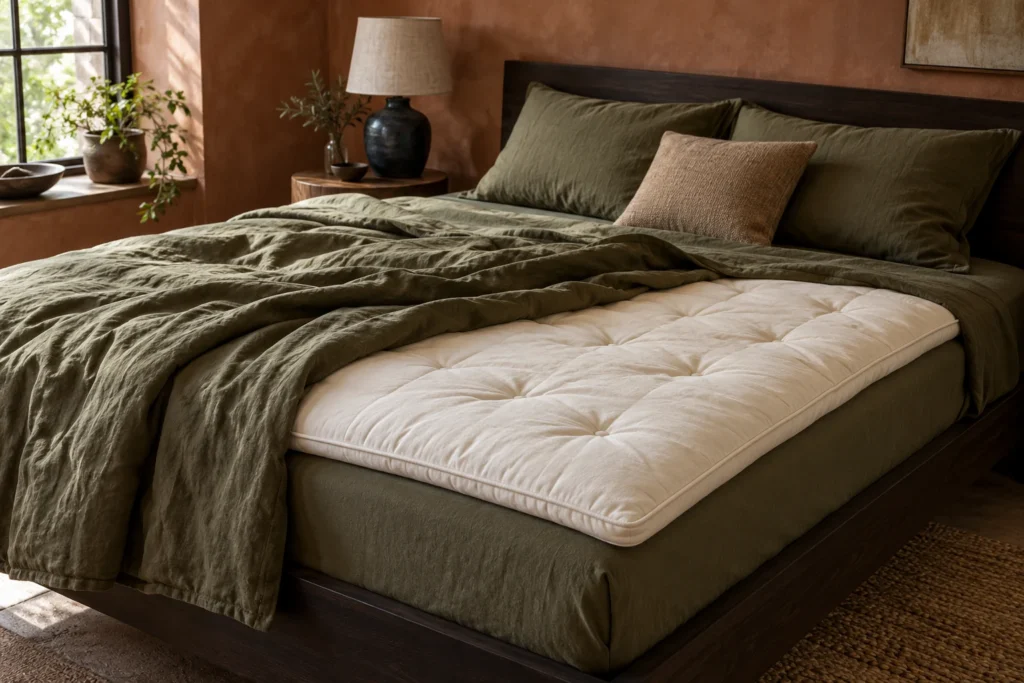
Cleaning a wool mattress topper starts with its exact care instructions. Learn how to handle spills, distinguish washable models from spot-clean-only toppers, dry the filling thoroughly and decide when to ask for professional advice.
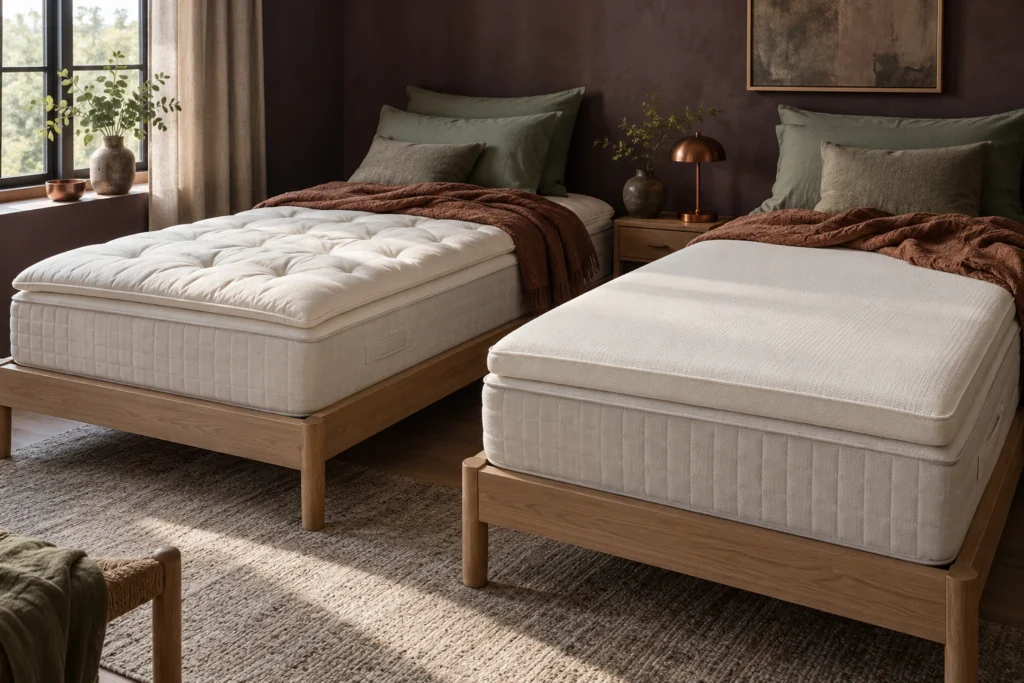
Wool filling and latex foam change a mattress in different ways. Compare cushioning, thickness, care and real return policies before choosing a topper for your bed.
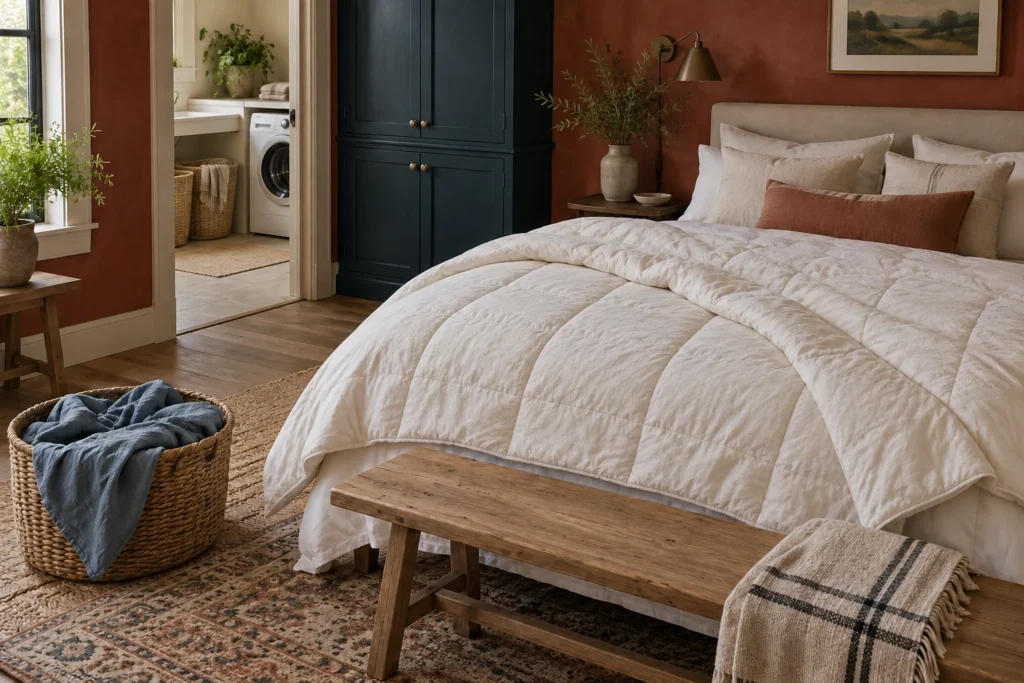
A wool comforter may be machine washable, hand washable or spot-clean-only. Use its care label to choose the permitted method and protect the filling, shell and quilting.
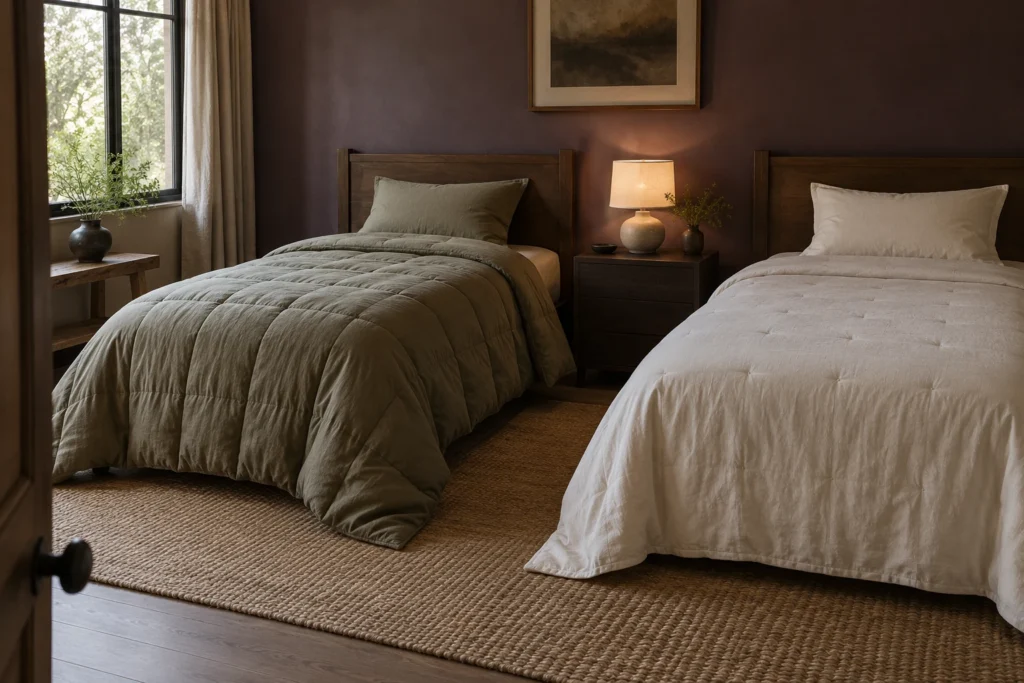
Wool and silk fillings can both suit comfortable bedding. Compare construction, warmth, weight, washing requirements and real product specifications before choosing.
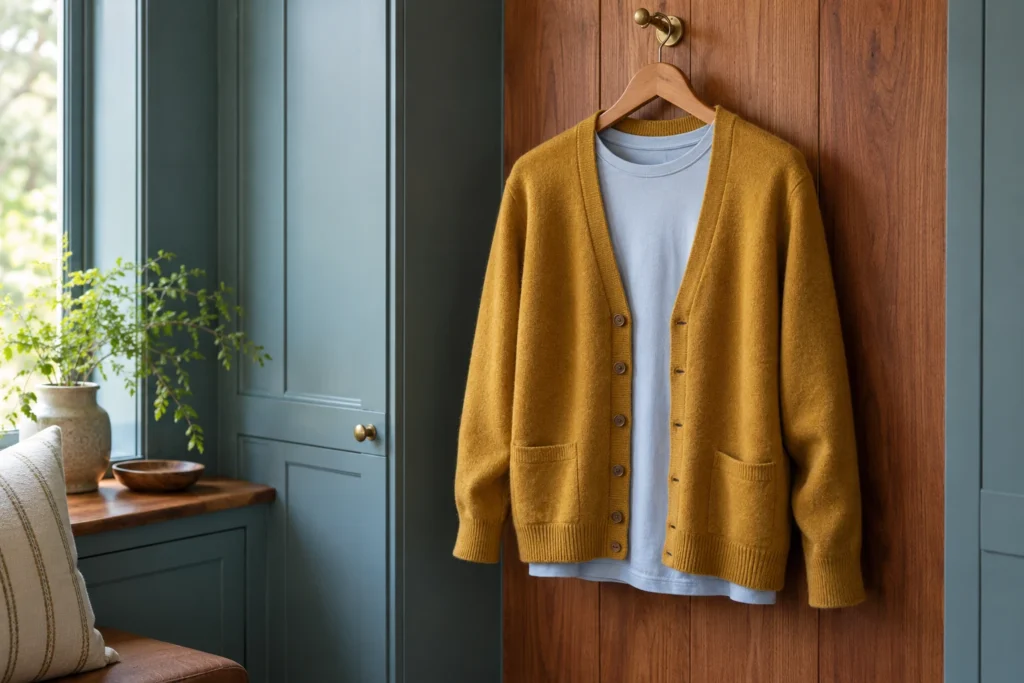
Scratchy wool can come from fiber ends, garment construction or a separate product irritation. Learn which comfort measures can help, where washing has limits and why popular softening hacks deserve caution.