
Start with the Care Label and Bedding Construction
Merino wool bedding maintenance starts with the product’s care label, not the fiber name alone. A woven blanket, a loose-knit throw and a wool-filled comforter may need different cleaning and drying methods. Wash only when the label permits it; if instructions are missing or the item is fragile, ask the maker or a cleaner experienced with wool before soaking it.
This guide focuses on caring for wool blankets and throws, with links to separate guidance for filled bedding. For a step-by-step blanket wash, use our wool blanket washing guide. For a duvet or comforter, follow our wool comforter care guide; a washable cover does not establish that the filling can be washed.
Start by recording the fiber composition, washing and drying symbols, and any maker-specific restrictions. Check seams, fringe and weak areas before handling a wet item. Woolmark’s care-symbol guidance explains why the sewn-in label should govern the method.
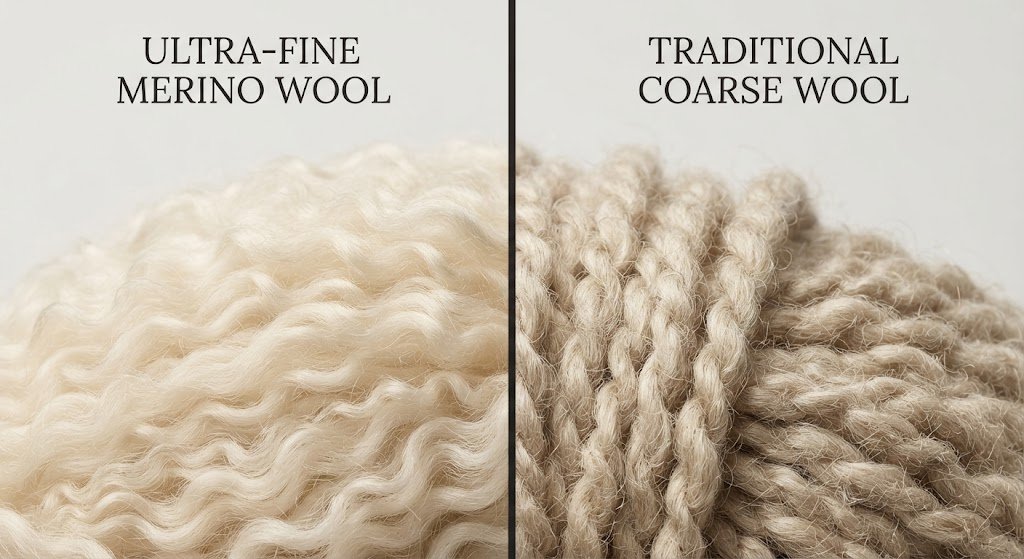
What Wool’s Properties Mean for Everyday Care
Wool is hygroscopic: its fibers can absorb and release moisture vapor. Its crimp also helps a textile trap insulating air. These are useful material properties, but warmth and comfort still depend on the blanket’s weight, construction, other bedding and room conditions. They do not guarantee that every wool product will prevent night sweats or outperform every synthetic.
Odor resistance is not the same as sterilization or proof of an antimicrobial effect in a particular blanket. Airing can help refresh an otherwise clean item, but visible soil, spills or persistent odor may require label-approved cleaning. Do not rely on wool bedding to neutralize allergens, dust or indoor pollutants.
For background, see Woolmark’s explanation of wool fiber. Wool is water-resistant, not waterproof; an outdoor blanket is not a substitute for a rain barrier or dry sleeping system.
Merino, Lambswool and Virgin Wool Are Different Descriptions
These terms help describe a product, but none is a washing instruction or an automatic quality grade.
- Merino wool: wool from Merino sheep. Finer fibers can feel softer, but the finished blanket’s feel and weight also depend on its construction and finishing.
- Lambswool: wool from a lamb’s first shearing. It can also be Merino wool. Softness and durability vary, so do not assume that every lambswool blanket feels or performs the same.
- Virgin wool: wool not reclaimed from an earlier manufactured or used product. It can still have been cleaned, dyed and spun to make the current blanket. The term does not guarantee a particular crimp, fineness or lifespan; see our virgin wool explanation.
- Wool blends: read the full composition. Adding cotton or synthetic fibers can change drape, feel and care, but a blend is not necessarily machine washable. Follow its own label.
Different Bedding Types Need Different Care
- Woven blankets and throws: identify whether washing is allowed, and support the fabric’s weight when wet. Fringes, finishes and woven construction may affect the permitted method.
- Loose-knit or delicate throws: avoid pulling on wet loops or hanging the full wet weight from a narrow edge. Check the maker’s instructions before washing; dry cleaning may be specified.
- Filled comforters, pillows and toppers: check both shell and filling. Washing can affect the filling’s distribution, and a home machine may not have sufficient capacity. Use the product’s instructions and our guides to wool pillows and wool toppers.
- Camping blankets: keep them protected from prolonged rain and ground moisture. Fiber content alone does not make an outdoor blanket weatherproof; see our camping blanket guide.
Choose a Blanket You Can Realistically Maintain
Match the product to its use and to the care you can provide, rather than assuming all wool blankets require the same routine.
- Check dimensions, not size names alone: compare the actual blanket measurements with your mattress and desired drop. Queen and King dimensions vary between brands.
- Check your equipment and drying space: a bulky blanket needs room to move in a permitted wash cycle and enough support while drying. If your machine cannot accommodate it, use an appropriate professional service rather than compressing it into the drum.
- Confirm washability and drying separately: a machine-washable label does not automatically permit tumble drying. For buying comparisons, see our washable wool blanket guide.
Cleaning, Drying and Storage
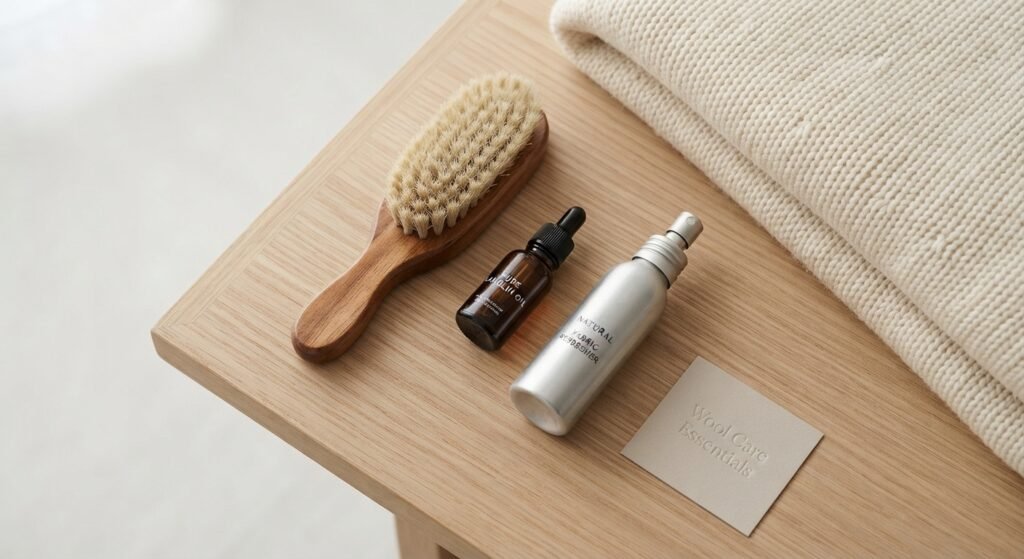
Airing and occasional cleaning can be part of a practical routine, but there is no universal washing schedule. Use, spills, storage conditions and the maker’s advice matter more than a fixed calendar.
- Refresh between washes: air a clean blanket in a dry, well-ventilated place, protected from strong direct sun. Support its weight. Airing is not a treatment for mold, infestation or persistent contamination.
- Check before wet cleaning: follow the label, test a permitted spot-cleaning solution on an inconspicuous area and stop if color transfers or the finish changes. Seek specialist advice for unknown, damaged or dry-clean-only items.
- Wash only as permitted: use the stated temperature and a wool-safe detergent at its instructed dose. If machine washing is allowed, select the specified wool/gentle cycle. Avoid rubbing, wringing or unnecessary agitation. Follow the wash product’s rinsing directions; see our wool detergent guide.
- Dry according to the label: flat drying with full support is a cautious default when tumble drying is not explicitly permitted. Some blankets allow supported line drying; some easy-care wool items permit a specified dryer setting. Do not infer permission from the words ‘washable wool.’ Keep the item away from direct heat and make sure it is dry throughout before storage.
- Store clean and fully dry: keep bedding in a dry, clean storage space, protect it from pests and check it periodically. Do not seal damp wool away. If you find active insects or persistent mustiness, resolve the cause rather than simply adding fragrance.
Sources for these care principles: Woolmark’s blanket care guidance, wool detergent guidance and label-dependent tumble-drying guidance. Product-specific instructions take precedence over general advice.

Frequently Asked Questions (FAQ)
- Do pure wool blankets always feel soft?
No. Fiber diameter, construction and finishing influence the feel, and sensitivity varies. Merino or lambswool wording alone does not promise an itch-free experience for everyone. - Does an earthy smell prove that a blanket is high quality?
No. Odor is not a quality test. A mild wool smell may lessen with airing, but persistent mustiness, visible mold or a strong unexplained odor should be investigated before using or storing the item. - How long should a wool blanket last?
There is no fixed lifespan. Fabric quality, abrasion, laundering, storage and damage all matter. Repair small problems early and follow the care label rather than relying on a promise of decades of use. - Can I use the same method for a blanket and a wool-filled duvet?
Not automatically. Their construction and permitted cleaning methods can differ. Check the exact product instructions before wetting either one.
Final Thoughts
Good merino wool bedding maintenance is a series of product-specific decisions: identify the construction, read the label, refresh when appropriate, clean only by an allowed method and store fully dry. A careful routine helps preserve the bedding you own without assuming that wool is self-cleaning, universally washable or guaranteed to improve sleep.