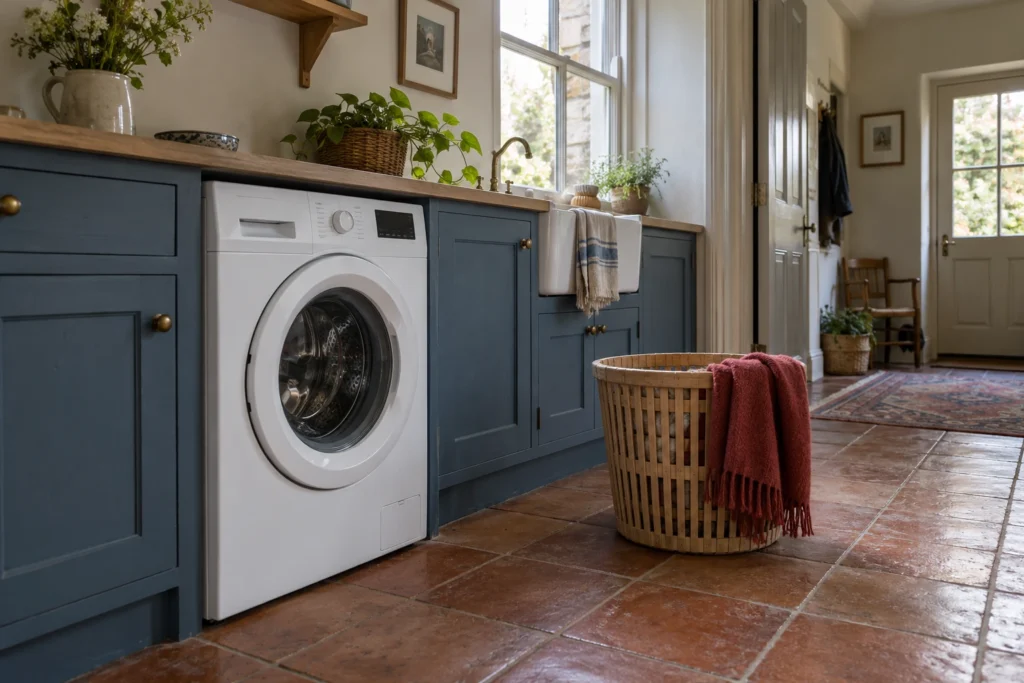
Does wool shrink? Yes, wool can shrink in the wash or dryer, but shrinkage is not inevitable. Water can release tension left in a fabric during manufacturing; wet mechanical action can also felt untreated wool. Heat changes the conditions, but it is not the only cause. The safest approach is to follow the finished item’s washing and drying instructions—not a rule based solely on its wool percentage.
A sweater labeled machine washable may tolerate its specified wool cycle yet still need flat drying. A different sweater may permit tumble drying. Those differences matter more than whether both labels say “100% Merino wool.”
This is a research-based guide from the Editorial Team, drawing on textile science and current care guidance. We have not conducted garment shrinkage tests.
Why wool shrinks: relaxation versus felting
“Shrunken” describes the result, not necessarily the mechanism. Two important processes can make wool clothing smaller, and they have different implications for recovery.
Relaxation shrinkage: the fabric settles
Spinning, knitting, weaving and finishing place tension on yarns and fabrics. When an item becomes wet, some of that stored strain can be released and the structure settles into different dimensions. This can happen without vigorous movement. The Australian Wool Education Trust’s wool-finishing teaching notes distinguish this relaxation from felting.
A knit may therefore become shorter even when it has not turned into a dense, matted fabric. Further settling of its loops can occur during washing. “Not felted” does not mean “guaranteed to return to its original size,” however; dimensional changes have several causes.
Felting shrinkage: fibers migrate and mat
Wool fibers have overlapping surface scales. In wet conditions, mechanical movement can make the fibers migrate preferentially and become entangled, progressively compacting the fabric. Felting is a structural change, not simply a crease or a temporary tight fit.
The amount of change also depends on yarn and fabric construction. Research on plain-knitted wool fabrics distinguished loop relaxation from felting and found that variables including loop length, yarn characteristics and shrink-resist treatment affected dimensional behavior. That is why results from one sweater cannot predict what will happen to another.
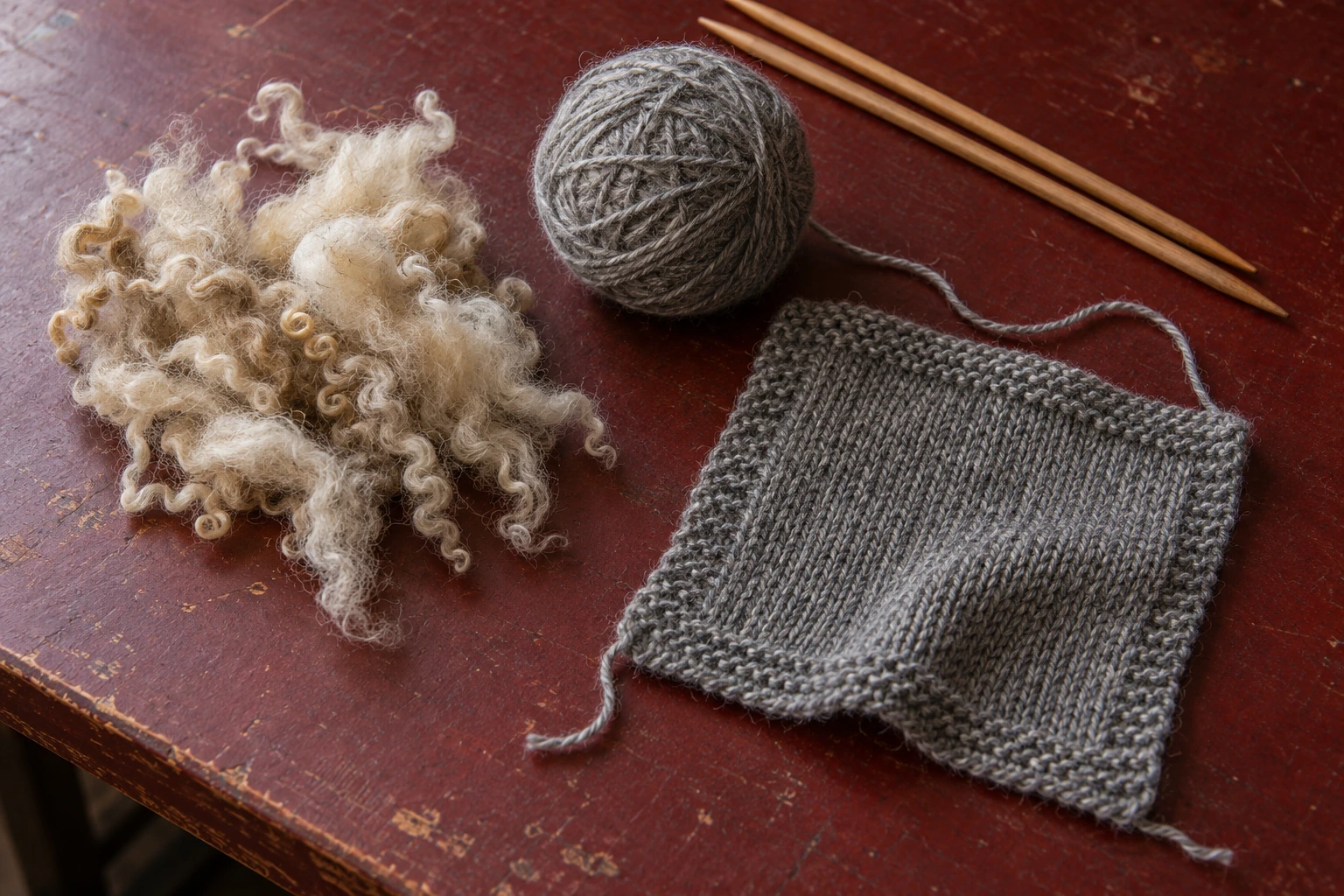
Heat, moisture and movement should be considered together. They influence the laundering conditions and the fabric’s response; none supplies a universal household formula for predicting a size change.
Does wool shrink in the washing machine?
It can, particularly when the cycle is unsuitable for the garment. A regular wash subjects clothing to repeated movement and rubbing. Simply turning the temperature down does not turn that cycle into the care process specified for a delicate wool knit.
Machine washing itself is not automatically wrong. Woolmark’s washing guidance permits machine washing for garments carrying the appropriate care claim and recommends a wool setting. The garment’s instructions and the machine’s wool-cycle guidance need to agree.
Read beyond the temperature. A label may specify hand washing, a very mild process or professional cleaning. If it says hand wash only, a machine button labeled “hand wash” is not, by itself, permission to substitute that program. Check the manufacturer’s guidance when the two seem ambiguous.
A laundry bag is also not permission to use an otherwise unsuitable cycle. It does not change the garment’s treatment or care label. For the practical washing sequence, see our guide to washing Merino wool safely.
Does wool shrink in cold water?
Cold water does not eliminate shrinkage risk. It limits one part of the process—the water temperature—but wet fabric can still relax, and rubbing or agitation can still affect untreated wool.
This explains an apparently puzzling result: a sweater can come out smaller after a cold wash even though the water was never hot. A cold normal cycle and a label-approved wool cycle are different treatments.
Nor does this mean warm water always ruins wool. Some approved care processes permit it. Choose the temperature and mechanical process together, according to the label, instead of treating “cold” as a universal safety setting.
Does wool shrink in the dryer?
An unsuitable tumble-drying cycle can shrink or felt wool. Both the movement of the drum and the conditions inside it matter. The risk is especially important for untreated wool and items whose labels prohibit tumble drying.
A 2020 study of wool in an unheated tumble dryer examined how different fabric movements affected felting. It showed that mechanical action matters even without added heat. This is a reason not to assume an “air fluff” setting is safe for every wool garment; it is not a recommendation to experiment with drum speeds at home.
Related research on moisture during tumble drying investigated both untreated and shrink-resist-treated wool under heated and unheated conditions. Its findings reinforce the interaction between moisture, treatment and drying conditions. These were fabric studies, not a test of your particular sweater.
Some wool items can be tumble dried. Woolmark permits this for appropriately labeled garments using the specified low-heat or suitable wool/delicate setting. Permission to machine wash alone is insufficient. If tumble drying is prohibited, a lower heat selection does not override that instruction.
Does Merino wool shrink?
Merino wool can shrink. “Merino” identifies the wool type; it does not tell you whether the finished garment has been treated to resist felting or how it should be washed.
A fine Merino base layer, a loose sweater and a pair of wool-blend socks can have different constructions and care requirements. Softness is not a reliable guide to washability, and a small wool percentage is not a drying instruction.
Check the label on the actual item. Woolmark’s sweater-care advice makes machine washing conditional on the care claim. Use that same distinction when comparing Merino garments: fiber identity and permitted care are separate pieces of information.
Does superwash wool shrink?
Superwash wool is processed to resist felting and allow specified machine washing. It is more resistant to that particular problem than comparable untreated wool, but “superwash” should not be read as “nothing can change its dimensions.”
Woolmark describes shrink-resist technologies that modify the fiber surface, reduce friction or combine approaches. Superwash is a category, not the name of a single treatment.
Anti-felting treatment does not answer every question about how a knitted structure settles, stretches or responds to drying. For a bought garment, follow its care label. For a hand-knit, use the yarn maker’s instructions and check a swatch made in the intended stitch pattern before choosing finished measurements.
Do not assume that machine-washable wool is tumble-dryable, or that every superwash yarn has identical care requirements. When buying wool clothing, a clear finished-garment care label is more useful than a broad “easy care” description.
How to prevent wool shrinkage
Start with the finished item’s label and check washing and drying separately. Under GINETEX’s care-symbol system, the number in a wash tub states the maximum temperature, while bars underneath call for a milder process. Drying symbols provide separate instructions. Read any written qualifications too.
The following table is a practical interpretation of those distinctions, not a numerical risk ranking or a replacement for the manufacturer’s directions.
| Care scenario | What changes the risk? | Practical decision |
|---|---|---|
| Machine-washable wool on its specified wool cycle | Treatment and an appropriate gentle process reduce the relevant risks. | Follow both the garment and appliance instructions; check drying separately. |
| Cold water on a normal cycle | Lower temperature does not remove mechanical action or fabric relaxation. | Do not substitute this for a required wool or hand-wash process. |
| Hand-wash-only wool in a regular machine wash | The process exceeds the label’s permitted treatment. | Use the stated hand-wash method, without rubbing or wringing. |
| Tumble drying specifically permitted | The permission applies to the stated drying conditions. | Use the specified setting, not a hotter cycle for convenience. |
| Tumble drying prohibited, including a proposed air-fluff shortcut | Movement remains even when added heat is removed. | Follow the permitted drying method instead. |
| Missing or unreadable care label | Fiber percentage alone cannot establish suitable care. | Ask the maker; seek professional advice before wet-cleaning a valuable item. |
Keep handling and detergent appropriate
For hand-washable items, gentle handling matters as much as the water setting. Avoid rubbing, twisting and wringing. Use a detergent whose directions cover wool and the chosen washing method; do not assume ordinary laundry products are interchangeable.
Woolmark recommends a mild, neutral wool detergent and advises against bleach. A suitable detergent helps avoid chemical damage, but it cannot make an aggressive wash safe. Our wool-detergent guide explains product choices without replacing the garment’s instructions.
Plan the drying space before washing
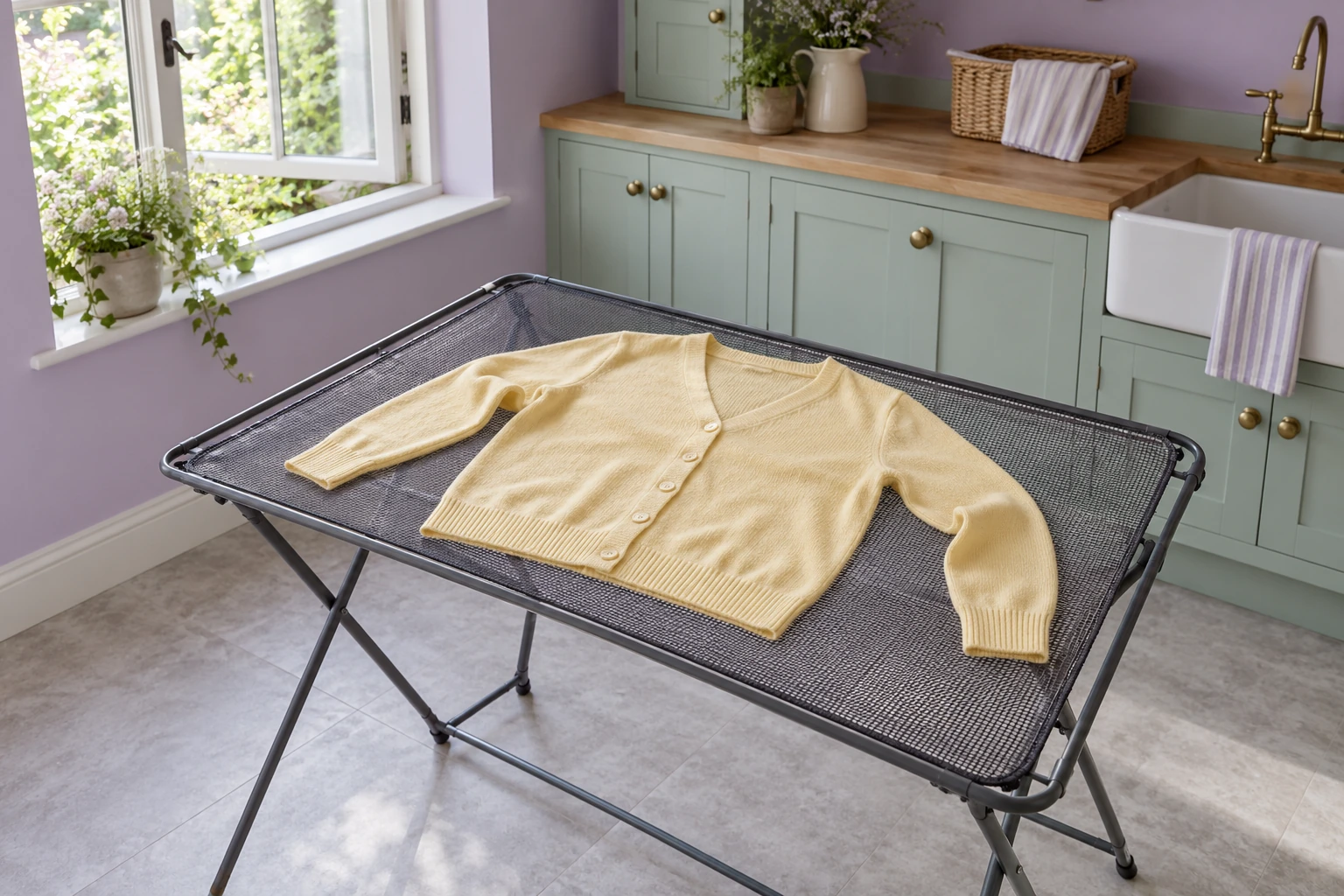
For knitwear that requires flat drying, prepare a clean, pale towel or suitable flat support large enough for the garment. Support it while wet and ease it into its intended shape without pulling hard. Hanging a wet sweater can introduce stretching and distortion rather than solve shrinkage.
Woolmark’s drying guidance recommends flat drying for knitwear unless the care claim permits tumble drying, and avoiding direct heat or strong sunlight. A radiator is not a careful substitute for an unsuitable dryer.
Large items need planning too. Our wool-blanket washing guide covers blanket handling, but the specific blanket’s current manufacturer instructions take precedence over general washing or drying rules.
Can shrunken wool be restored?
Sometimes a modest change in shape or dimensions can be improved through gentle reshaping when the garment’s care instructions allow it. That is not proof that the fabric will return fully to its former size or retain that size through another wash.
Severely felted wool is generally not recoverable to its original structure. If the fabric has become noticeably dense and matted, forceful stretching is not a sound repair strategy. For assessment and cautious options, read how to unshrink a wool sweater—and when to stop. Valuable, delicate or structured garments deserve professional assessment before experimentation.
Frequently asked questions
Does 100% wool always shrink?
No. The fiber label does not tell you whether the wool has shrink-resist treatment, how the fabric was finished or which care process it can tolerate. A 100% wool garment may be machine washable, hand-washable or intended for professional cleaning.
Does wool shrink only on the first wash?
No. Early washing can reveal relaxation of manufacturing strains, but an item is not protected forever afterward. Fabric structure can continue settling, and unsuitable later washing or drying can cause felting. Previous successful washes do not authorize a harsher cycle.
Will wool shrink at 30°C or 40°C?
Temperature alone cannot answer that. A particular wool item may permit one of these temperatures with a specified gentle process; another may not. Follow the label’s maximum temperature and process restrictions together. Neither number is a universal boundary between safe washing and damage.
Can a wool blend shrink?
Yes. Adding another fiber does not automatically stabilize the entire garment. Blend composition, fabric construction, finishing and the other components all matter. Use the finished item’s care instructions rather than calculating a safe cycle from its wool percentage.
Can wool shrink when hand-washed?
Yes. Hand washing does not prevent relaxation, and vigorous rubbing can still be unsuitable for wool. Only hand-wash an item when its instructions allow it, and avoid twisting or wringing. The word “hand” describes who handles the garment, not a guarantee of gentle treatment.
Does low-heat tumble drying make all wool safe?
No. Low heat still involves a drying process and mechanical movement. Use it only when the garment permits tumble drying under those conditions. Otherwise follow the stated alternative, commonly flat drying for washable sweaters.
Care guidance and sources reviewed October 24, 2026. Laboratory findings explain mechanisms; they do not establish a shrinkage percentage or guaranteed recovery outcome for an individual garment.