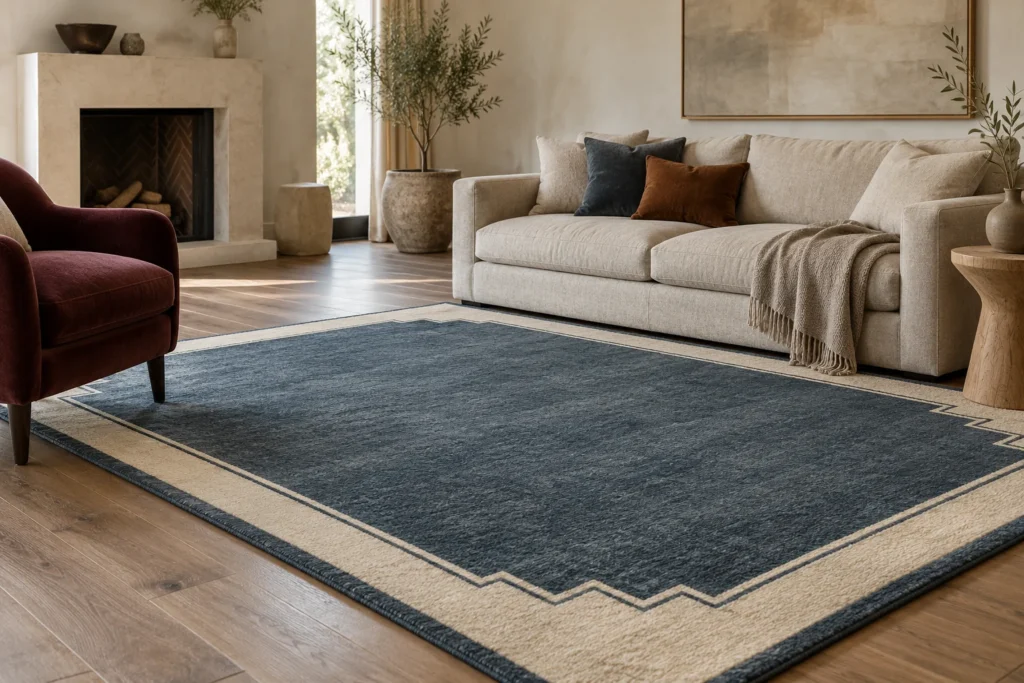
Can you steam clean a wool rug? Avoid using a household vapor steamer unless the rug manufacturer explicitly permits it. Professional hot-water extraction, often called steam cleaning, may suit some wool rugs—but only after checking the construction, dyes, backing, condition, and care instructions. Handmade, antique, or valuable rugs deserve a rug specialist’s assessment first.
The confusing part is the word “steam.” A steam mop and a professional extraction system do different jobs, yet cleaning advice often treats them as interchangeable. That can lead to either an unnecessarily alarming warning or an unsafe promise.
This guide explains how to make the decision before renting a machine or booking a service. It draws on textile-industry, manufacturer, and conservation guidance; it is not a hands-on cleaning test.
What does “steam cleaning” actually mean?
Start by asking what comes out of the machine and how moisture is removed. The equipment’s name alone does not tell you whether it suits your rug.
True steam or vapor cleaning
A vapor cleaner delivers hot water vapor through a nozzle or mop head. It is different from spraying liquid cleaning solution into a textile and extracting it. A carpet attachment does not automatically make a steam mop appropriate for a wool area rug.
For a consumer-facing example, Dyson’s rug-care guidance advises against steam cleaning wool and warns about heat, friction, and excessive moisture. Treat a missing care label as a reason to investigate, not permission to experiment.
Professional hot-water extraction
Hot-water extraction applies a cleaning solution and removes it, together with loosened soil, by suction. Many cleaners advertise this as steam cleaning even though the cleaning action involves liquid water rather than a jet of vapor.
This distinction is explicit in Tai Ping’s archived 2011 maintenance guidelines, which recommend extraction for specified wool and wool-blend carpets and rugs the company manufactured. That historical example is evidence that extraction and wool are not inherently incompatible—not current authorization for an unidentified rug.
Household extractors and low-moisture methods
A household carpet cleaner may also spray and recover liquid. It does not become suitable merely because it extracts water. The IWTO’s 2024 wool carpet care guide cautions against home steam-cleaning machines, which are often designed for synthetic carpeting, and emphasizes that no cleaning method is universally appropriate.
Low-moisture cleaning is another category. It can involve specialist compounds, foam, or other systems that limit water use. Spot cleaning treats a small affected area. Neither term means that every product, brush, or procedure is safe for every wool rug.
| Method | What it does | Decision for a wool rug |
|---|---|---|
| Vapor steam | Applies hot vapor through a nozzle or mop. | Avoid household use without explicit rug-maker permission. |
| Professional extraction | Applies liquid and recovers soil and moisture by suction. | Potentially suitable after rug-specific assessment. |
| Household extractor | Sprays and recovers liquid using consumer equipment. | Check both rug and machine instructions; uncertainty favors a specialist. |
| Low-moisture or spot care | Limits wetting or treats a localized mark. | Useful when the product and process suit the rug; not a universal deep-cleaning substitute. |
Why unsuitable cleaning can damage wool
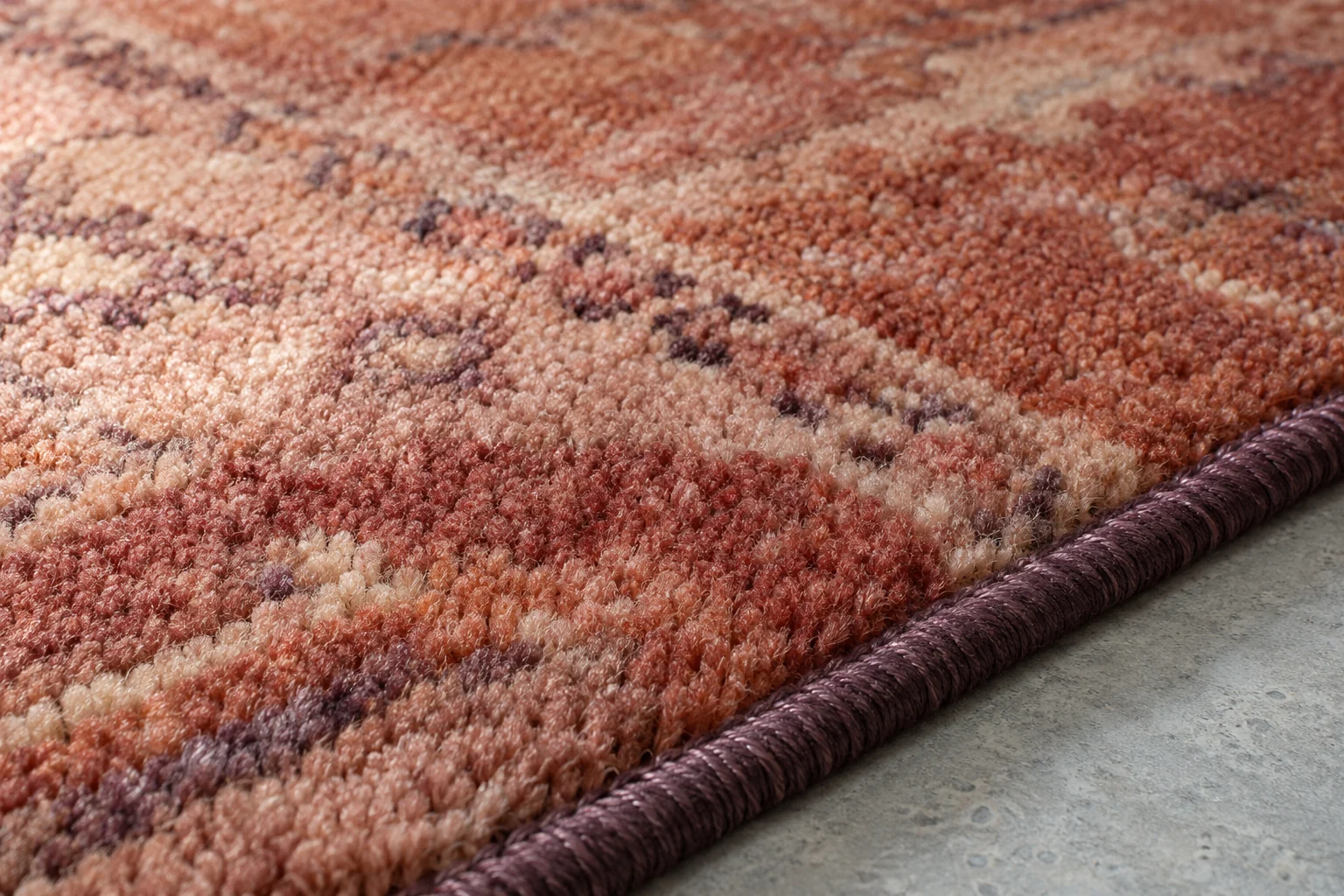
A wool rug is an assembled textile, not simply a layer of wool. Its face yarn, foundation, backing, binding, and dyes can respond differently to the same treatment.
Felting, shrinkage, and texture changes
Wool fibers have surface scales. Woolmark’s explanation of felting describes how moisture and mechanical action can make untreated fibers interlock; heat can intensify that process. The result can be matting and shrinkage. This explains a fiber-level risk, not a prediction that every wet-cleaned rug will felt.
Cleaning can also alter the appearance of the pile without shrinking the whole rug. WoolSafe’s technical maintenance guide describes yarn untwisting, fuzzing from brushing, and ridging from some extraction tools. More scrubbing is therefore a poor response when a patch does not look right.
Color bleeding and browning
Unstable color can migrate during unsuitable cleaning. WoolSafe also identifies high-alkalinity chemistry as a possible cause of dye bleeding and staining associated with jute components. In extreme cases, unsuitable chemistry can yellow or weaken wool.
Browning is not necessarily dirt that needs another cleaning pass. WoolSafe documents a case involving cellulosic browning after contamination and cleaning affected a rug’s backing. A new tan or brown mark after wet cleaning warrants diagnosis; it is not a cue to add household bleach or more detergent.
Backing damage and incomplete drying
Excess moisture can affect backing integrity and remain trapped between layers, a risk also noted in Dyson’s guidance. A surface that feels nearly dry does not establish that the foundation underneath is dry.
Rug pads and the floor beneath need attention too. Jaipur Living’s rug-pad instructions specifically warn against steam cleaning an area rug in place over its pad. Ask how a cleaner will protect the floor and handle drying before any wet work begins.
Which wool rugs need special precautions?
Hand-knotted, hand-tufted, flatwoven, and machine-made rugs are not interchangeable. Our wool rug guide explains those construction differences. For cleaning, the important question is what is present beneath the visible pile as well as within it.
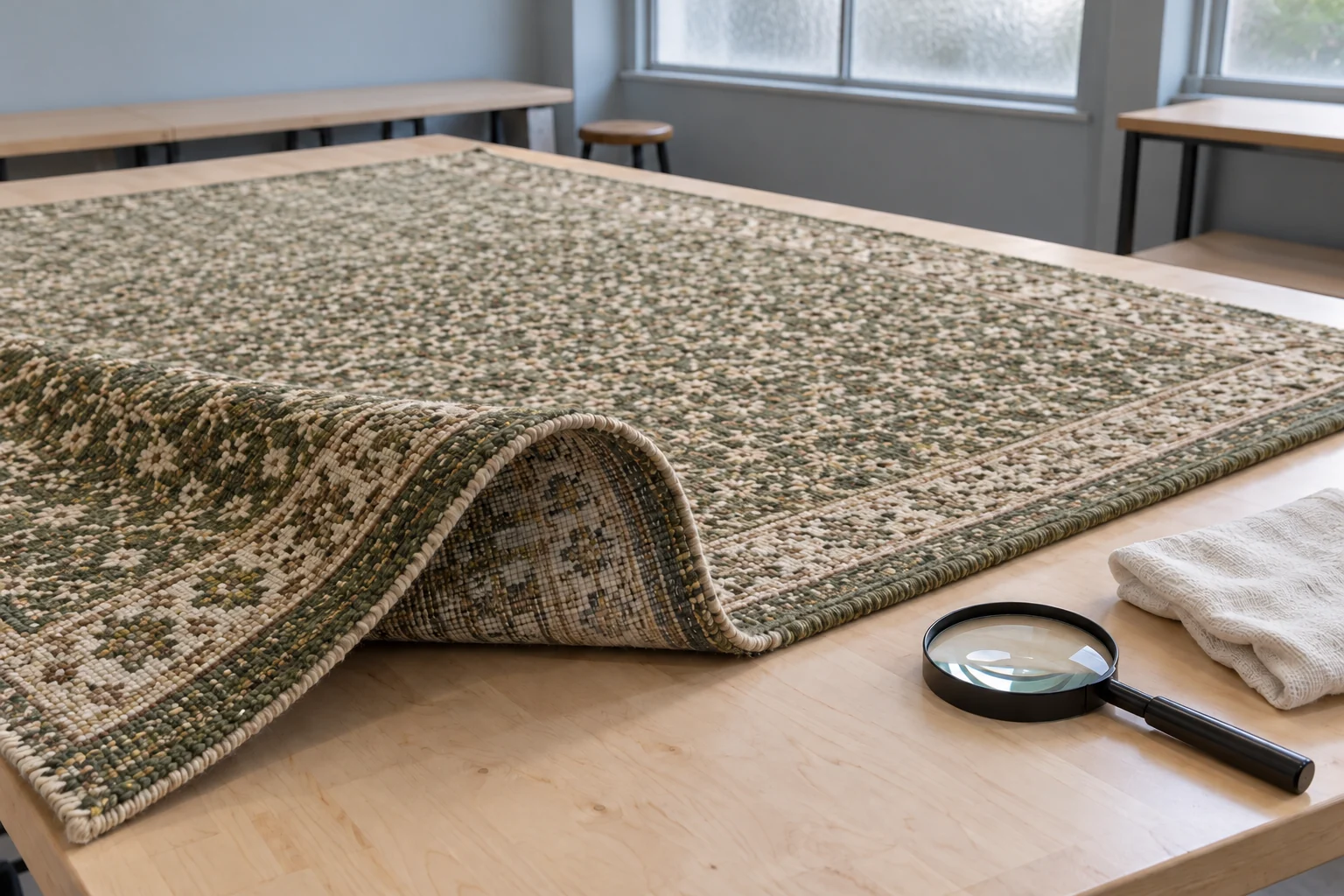
Give the cleaner the maker and model, any fiber label, and photographs of the face, underside, edges, and existing damage. Mention previous treatments and repairs. A “100% wool” description should not be taken as proof that every hidden component is wool.
Manufacturer guidance can be quite restrictive. For example, Joon Loloi lists its Lada hand-knotted wool rug as 100% wool, advises avoiding liquid exposure, and recommends professional cleaning. A generic machine advertisement should not override that rug-specific advice.
Seek specialist assessment before wet treatment when a rug is antique, handmade, naturally dyed, unusually valuable, repaired, or visibly deteriorating. Natural dyes should not be assumed either stable or unstable merely because of their origin. Their behavior needs assessment.
The Institute of Conservation’s carpet guidance cautions against applying ordinary machine-carpet cleaning methods to handmade rugs. It says suitability for washing depends on composition, condition, and the likelihood of dyes running. For a fragile heirloom, a textile conservator may be more appropriate than a general carpet-cleaning service.
Handmade does not mean that a rug must never be washed. It means the decision deserves more information than “the pile is wool.”
Safer alternatives for routine wool rug care
If the rug is dusty rather than deeply soiled, begin with the least invasive care its maker permits. Thorough routine maintenance and whole-rug wet cleaning solve different problems.
Remove dry soil with suitable vacuuming
Follow the rug’s instructions on suction and rotating brushes, and keep fringe away from powered rollers. If the head grabs or drags the rug, stop and reconsider the setup. Our vacuum guide for wool rugs covers floorheads and controls in more detail.
Loose fibers alone are not a reason to steam the rug. Check our guide to wool rug shedding if you are trying to distinguish ordinary fiber release from a developing problem.
Blot spills before choosing a treatment
Use a clean white absorbent cloth to take up a fresh liquid spill without rubbing. WoolSafe’s consumer care guide recommends working from the outside inward and applying small amounts of an appropriate spot remover to a cloth rather than pouring it onto the spot.
Any further treatment should follow the rug maker’s instructions and the approved product directions, including testing. Stop if color transfers or the texture changes. For an antique or fragile rug, blot the spill and contact a specialist rather than progressing through home remedies.
Consider low-moisture cleaning selectively
Ask a specialist whether an appropriate low-moisture process can address the actual soil. Less water can be useful, but it does not eliminate concerns about chemistry, agitation, residue, or removal of contamination.
A powder sold for deodorizing is not automatically a suitable cleaning compound. Nor is wool laundry detergent automatically a rug shampoo. Avoid improvising with vinegar, baking soda, dish soap, solvents, or mixed household cleaners when you do not have verified instructions for that rug.
When professional cleaning makes sense
Book an assessment when ordinary care no longer removes the soil, a stain persists, or contamination may extend below the pile. Seek prompt advice for widespread wetting, new discoloration after cleaning, or a rug that remains damp or develops an unusual odor. Avoid repeatedly wetting it while trying to identify the problem.
A professional should explain why the proposed method fits this rug. The publicly available description of ANSI/IICRC S100 includes evaluation of textile floor coverings, construction, cleaning systems, and pre- and post-cleaning inspections. That supports asking for an inspection rather than buying a service solely by its advertised method. Ask to have the agreed method and any limitations recorded with the estimate.
For a removable area rug, ask whether an off-site facility would offer better access for inspection, soil removal, and controlled drying. Off-site cleaning is not automatically required, and a facility is not proof that every proposed wash is appropriate.
Questions to ask before booking
- When you say steam cleaning, do you mean vapor or hot-water extraction?
- What have you identified about this rug’s fibers, dyes, foundation, and backing?
- How will you check color stability and document pre-existing damage?
- Why does the proposed method suit the maker’s instructions and this rug’s condition?
- Which products will you use, and are they approved for wool and appropriate for this rug?
- How will you remove moisture, dry the rug throughout, and protect the pad and floor?
- What results are realistic, what risks remain, and what happens if a problem develops?
Relevant training is useful evidence, not a guarantee. The IICRC Rug Cleaning Technician certification specifically covers rug identification, cleaning methods, and limitations. Ask about experience with your construction and age of rug as well as credentials.
Common mistakes to avoid
Do not choose a temperature from a generic online recipe. Water temperature alone cannot account for dye stability, backing, chemicals, agitation, or drying. There is no universal household setting that this guide can responsibly prescribe.
Do not treat a spot test as permission to saturate the whole rug. A small test is useful, but it cannot reproduce every consequence of cleaning a large textile or establish that the backing will tolerate it.
Do not confuse “wool-safe product” with “safe process.” A suitable cleaner can still be used incorrectly. More solution, more brushing, and more passes are not automatically better.
Do not put the rug back into use based on a promised universal drying time. Ask the cleaner how dryness will be checked and follow the agreed aftercare instructions. The rug, pad, and floor should be ready before reassembly.
Frequently asked questions
Can you steam clean wool carpet?
Some wool carpeting can be professionally cleaned by hot-water extraction when its manufacturer permits it. Confirm what “steam” means, check the specific carpet instructions, and use a cleaner experienced with wool. Permission for fitted carpet does not transfer automatically to a separate area rug.
Can I use a rented carpet cleaner on a wool rug?
Do not assume a rental extractor is suitable. You need compatible rug instructions, equipment, cleaning solution, and a practical drying plan. If the rug’s construction or care requirements are uncertain, specialist assessment is the better next step.
Is dry cleaning always safer for wool rugs?
No. “Dry cleaning” can describe different processes, and some still use moisture or chemicals. Ask exactly what will be applied and how it will be removed. The appropriate method depends on the rug and the soil, not the reassuring sound of the name.
How do you deep clean a wool rug without steam?
Begin with the care instructions and an assessment of the soil. Routine vacuuming and suitable spot care may be enough for a lightly soiled rug. For deeper contamination, a specialist can select an appropriate process, potentially including low-moisture treatment or controlled washing if the rug is suitable.
Will steam cleaning make a wool rug shrink?
Unsuitable heat, moisture, and mechanical action can contribute to felting or dimensional changes, but shrinkage is not inevitable with every professional wet-cleaning process. Rug construction and the complete cleaning method matter. Avoid treating either “always shrinks” or “cannot shrink” as reliable advice.
What if my wool rug turns brown after cleaning?
Stop adding water or cleaning products and contact the cleaner or a rug specialist. Photograph the change and explain what was used. Browning, migrating soil, and other discoloration require different assessments; a photograph alone cannot reliably diagnose the cause.